Cancer and Environmental Risk Factors in Iowa
Attend an upcoming Cancer Community Conversation near you:
More dates and locations coming soon!
Iowa is an outlier for cancer.
Iowa has the second highest cancer incidence rate in the nation and is one of only three states where the rate is rising. While the U.S. has a declining overall cancer rate, Iowa's is sharply increasing. More than 170,000 Iowans share the experience of living with a past or current cancer diagnosis, and many more have lost loved ones to cancer.
The “Environmental Risk Factors and Iowa’s Cancer Crisis” project was developed by the Iowa Environmental Council and The Harkin Institute based on feedback from hundreds of Iowans who are asking: What makes Iowa an outlier for cancer? What is unique about our state?
.png)
While some risk factors for cancers are well known and studied, such as smoking, alcohol consumption, and ultraviolet radiation from the sun or tanning beds, environmental factors — what's in our water, soil, and air — are discussed far less.
This report is an in-depth literature review of top scientific studies and academic research exploring the environmental risk factors driving Iowa’s high cancer rates, including specific types of cancer and age groups impacted. The major sections of the report cover:
Well-established peer-reviewed research demonstrates that environmental risk factors, including pesticides, PFAS, nitrate, and radon are associated with increased cancer incidence and risk for numerous cancer types. Our analysis shows that all of these carcinogens are present at high levels in Iowa. These factors combine and build on one another as well. While cancer is multifactorial and complex, we know enough to act to mitigate these modifiable risk factors.
The full version of this report includes a “Policy Recommendations and Action Steps” section with specific policies and regulatory actions that local, state, and federal leaders should take to reduce Iowans’ cancer burden.
Iowa’s cancer crisis is not inevitable. We can — and must — do better, especially when preventable risks are making Iowans sick and costing lives.
Project Background
Behind the statistics in this report are real people. Real Iowans – rural and urban, grandparents and grandchildren, people across political, occupational, and ideological spectrums – who have received the devastating news from their healthcare provider and have had to grapple with the health, family, and financial impacts of a cancer diagnosis.
In the summer of 2025, IEC, The Harkin Institute, and the Iowa Farmers Union hosted 16 listening sessions across the state and heard from hundreds of Iowans, both rural and urban, living in areas with a particularly high cancer burden.
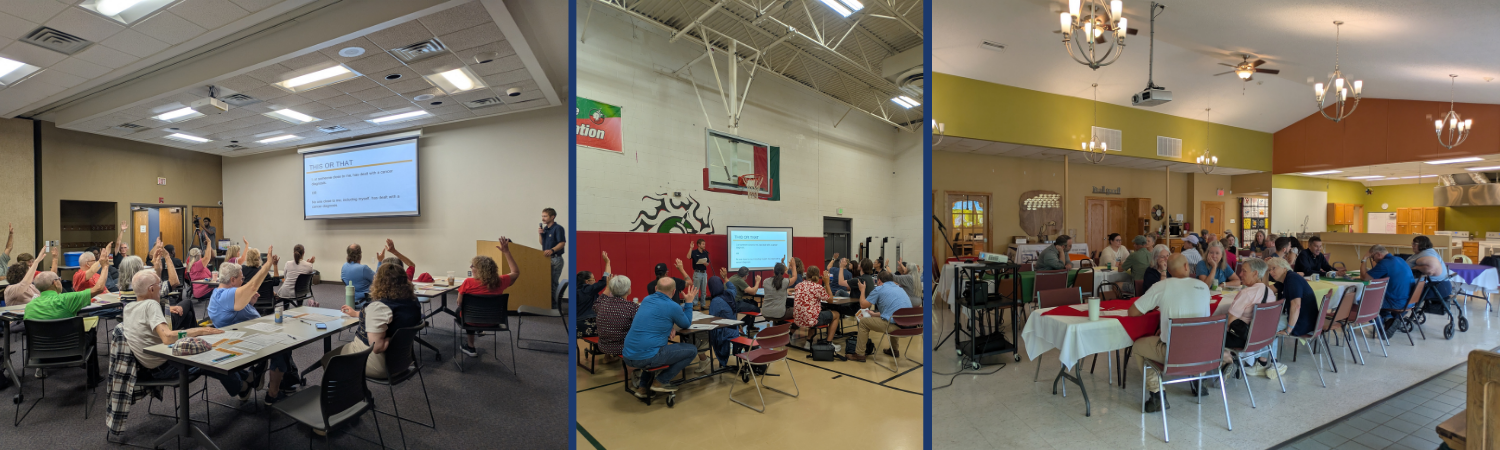
In those rooms, Iowans overwhelmingly said they do not have enough information about environmental risks. They are deeply worried about exposure to agricultural chemicals, drinking water contamination, and industrial pollution. Their voices are the driving force behind report and the movement that is building to enact real change in Iowa.
Project Resources
Download the full report: "Environmental Risk Factors and Iowa's Cancer Crisis"
Download the executive summary: "Environmental Risk Factors and Iowa's Cancer Crisis"
Get involved. Sign up to receive emails.
How has cancer impacted your life? Share your story.
Read the annual Cancer in Iowa report from the Iowa Cancer Registry.